
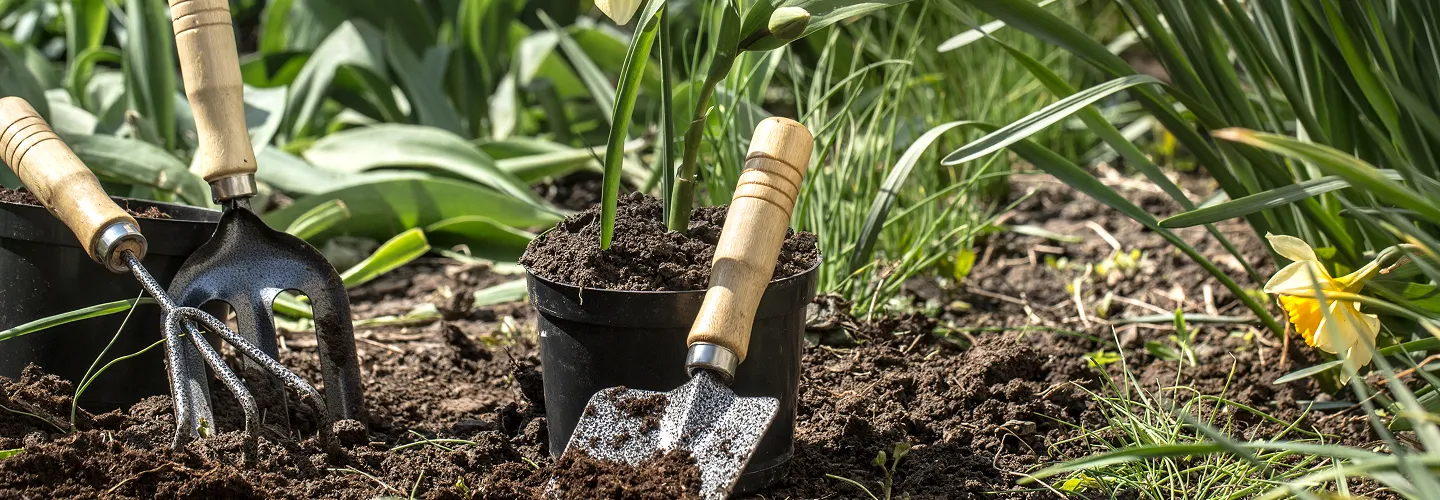
Laveen Village Mulching Services
Choose our mulching services for healthier soil, improved moisture retention, and a beautiful, weed-free yard—trusted by Laveen Village homeowners for reliable results and lasting curb appeal.
Get a Free QuoteOur Laveen Village Landscaping & Yard Care Services
When to Schedule Mulching in Laveen Village, Arizona – Seasonal Guide
In Laveen Village, Arizona, the best time to schedule mulching is typically in late winter through early spring, just before the intense summer heat arrives. This timing allows mulch to insulate soil, retain moisture, and suppress weeds as plants begin their active growth period. Given the area’s proximity to the South Mountain Park and neighborhoods like Estrella and Cheatham Farms, local landscapes often face unique challenges such as rapid temperature shifts and sporadic rainfall.
Laveen Village’s desert climate means residents must consider factors like early spring frost dates, the risk of prolonged drought, and the prevalence of clay-heavy soils. Mulching before the onset of high temperatures helps protect root systems and reduces water evaporation, which is especially important in shaded yards near the Laveen Meadows or properties bordering the Salt River. For more information on local environmental guidelines, visit the Sudbury municipal resource.
Local Factors to Consider for Mulching in Laveen Village
- Tree density and shade coverage in neighborhoods like Cottonfields and Paseo Pointe
- Soil composition, especially clay or sandy soils common in the area
- Annual precipitation patterns and drought risk
- Frost dates and seasonal temperature swings
- Terrain slope and drainage, particularly near the South Mountain foothills
- Municipal restrictions or HOA guidelines on landscaping practices
Benefits of Mulching in Laveen Village
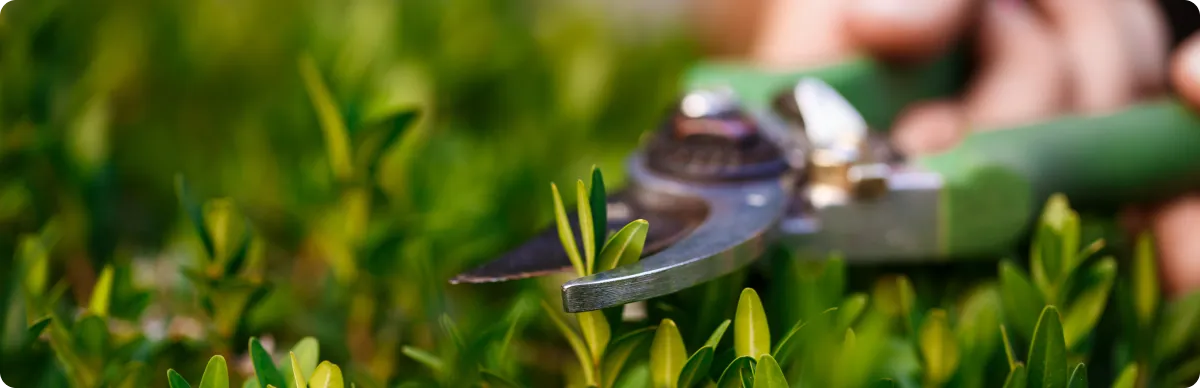
Enhanced Soil Moisture Retention
Weed Growth Suppression
Improved Curb Appeal
Temperature Regulation for Plant Roots
Reduced Soil Erosion
Nutrient-Rich Soil Enrichment
Laveen Village Mulching Types

Organic Mulch
-
Inorganic Mulch
-
Wood Chip Mulch
-
Rock Mulch
-
Rubber Mulch
-
Compost Mulch
-
Pine Bark Mulch
Our Mulching Process
Site Evaluation
Soil Preparation
Mulch Selection
Mulch Application
Final Inspection
Why Choose Laveen Village Landscape Services

Laveen Village Homeowners Trust Us
-
Comprehensive Lawn Maintenance
-
Reliable Irrigation Solutions
-
Expert Tree and Shrub Care
-
Weed and Pest Control
-
Seasonal Clean-Up Services
-
Competitive Pricing
-
Satisfaction Guarantee
Coordinating Mulching Projects with Laveen Village's Municipal Programs and Services
Laveen Village operates as a village within the City of Phoenix, meaning all municipal landscape and environmental programs fall under Phoenix city departments. Residents and property managers planning mulching projects should be aware of how green waste disposal, stormwater protection, and water conservation programs intersect with mulch installation and maintenance. The Phoenix Public Works Department oversees bulk green waste collection, which is relevant when removing old mulch or clearing landscape beds before re-mulching. Organic mulch materials that are displaced by monsoon runoff or irrigation overflow must be kept out of curb inlets, washes, and storm drains to comply with the city's stormwater management expectations.
- Verify current bulk pickup schedules and green waste disposal procedures through Phoenix Public Works before hauling old mulch to the curb
- Coordinate mulch delivery and staging to avoid blocking sidewalks, rights-of-way, or drainage paths
- Properties adjacent to washes or retention basins should confirm any site-specific landscape requirements through the city's planning resources
Phoenix Office of Environmental Programs
200 W. Washington St., Phoenix, AZ 85003
Official Website: Phoenix Office of Environmental Programs
The Phoenix Water Services Department also provides water conservation guidance that directly supports mulching as a moisture-retention strategy, particularly in Laveen Village's low-desert environment where irrigation efficiency is critical.
How Laveen Village's Desert Heat and Alkaline Soils Affect Mulching
Laveen Village sits in the Phoenix metro low desert, classified within USDA Hardiness Zone 9b to 10a according to the USDA Plant Hardiness Zone Map. Summer surface temperatures on exposed soil can exceed 150°F, making mulch an essential tool for moderating root-zone heat and reducing evaporation from drip-irrigated beds. The predominant soils in the Laveen area tend toward alkaline sandy loam and clay loam, often with caliche layers at varying depths. These conditions affect how mulch interacts with the soil surface:
- Alkaline pH: Organic mulches such as wood chips or shredded bark decompose slowly in highly alkaline soils, which can limit nutrient cycling but extends mulch longevity
- Caliche presence: Hardpan caliche layers restrict water infiltration, meaning mulch plays a heightened role in slowing surface evaporation and keeping moisture available in the shallow root zone
- Monsoon runoff: Laveen Village experiences intense summer monsoon storms from July through September, and lightweight mulch materials can wash into drainage channels, retention basins, and neighborhood streets if not properly secured or edged
- Reflected heat: Properties with block walls, concrete driveways, and south- or west-facing exposures generate significant radiant heat, accelerating mulch decomposition and increasing the frequency of replenishment
The Arizona Department of Water Resources recognizes mulching as a key water-conservation landscaping practice for low-desert communities.
Navigating Laveen Village's Stormwater and Environmental Compliance for Mulching
Mulching projects in Laveen Village must account for stormwater regulations administered under the City of Phoenix's Phase II Municipal Separate Storm Sewer System (MS4) permit. The Arizona DEQ stormwater program requires municipalities to prevent pollutants—including displaced landscape materials—from entering the storm drain system. Organic and inorganic mulch that migrates off-site during irrigation or monsoon events can clog drainage inlets and contribute to water quality degradation in downstream washes.
- Mulch applied near curb lines, retention basins, or wash edges should be contained with edging, borders, or berms to prevent displacement
- Properties within flood-prone areas or adjacent to Flood Control District of Maricopa County channels should verify whether landscape modifications trigger any site-specific review
- Commercial properties and HOA common areas may face additional landscape maintenance standards enforced through the Phoenix Planning & Development Department
Phoenix City Engineer Department
200 W. Washington St., Phoenix, AZ 85003
Official Website: Phoenix City Engineer Department
Residents should also be aware that the Clean Water Act provides the federal framework under which local stormwater protections operate, reinforcing the importance of keeping mulch materials contained on-site.
Timing and Methods for Mulching in Laveen Village's Extreme Climate
Professional mulching in Laveen Village follows timing and technique standards adapted to the low-desert climate cycle. The optimal window for applying or replenishing mulch is late winter through early spring, before summer heat intensifies and before monsoon storms arrive. A secondary maintenance window occurs in late fall after monsoon season concludes and temperatures moderate.
- Organic mulch depth: A layer of approximately 2–4 inches is generally recommended by horticultural guidance for desert landscape beds, though depth should be adjusted based on plant type and irrigation method
- Inorganic mulch options: Decomposed granite and decorative rock are widely used in Laveen Village due to their permanence and resistance to wind and water displacement, though they do not contribute to soil organic matter
- Drip-line clearance: Mulch should be kept several inches away from plant stems and tree trunks to prevent moisture retention against bark, which can promote rot and pest issues in the desert environment
- Emitter access: When mulching around drip-irrigated beds, ensure irrigation emitters remain accessible for inspection, adjustment, and repair without disturbing the mulch layer
- Monsoon preparation: Secure lightweight organic mulch with landscape staples or border edging before July to reduce washout risk during high-intensity storm events
Phoenix Laveen Village Planning
200 W. Washington St., Phoenix, AZ 85003
Official Website: Phoenix Laveen Village Planning
What Neighborhoods Do We Serve Throughout Laveen Village, AZ?
- Rogers Ranch: Newer subdivision lots with compact desert landscaping, drip irrigation systems, and south-facing block walls that generate significant reflected heat requiring durable mulch materials
- Laveen Farms: Larger residential parcels with mature trees and mixed planting beds where organic mulch supports moisture retention across broader irrigated areas
- Dobbins Crossing: Master-planned community with HOA-maintained common areas and individual lots where mulch type and depth may be subject to community appearance standards
- Cheatham Farms: Established neighborhood with varied lot sizes and proximity to local drainage corridors, making mulch containment during monsoon season particularly important
- Sierra Vista Estates: Properties featuring desert-adapted landscaping with decomposed granite and rock mulch, where periodic replenishment addresses wind displacement and settling over time
- Laveen Meadows: Residential area with irrigated turf and planting bed combinations where mulch helps define bed edges and suppress weed growth around emitter zones