
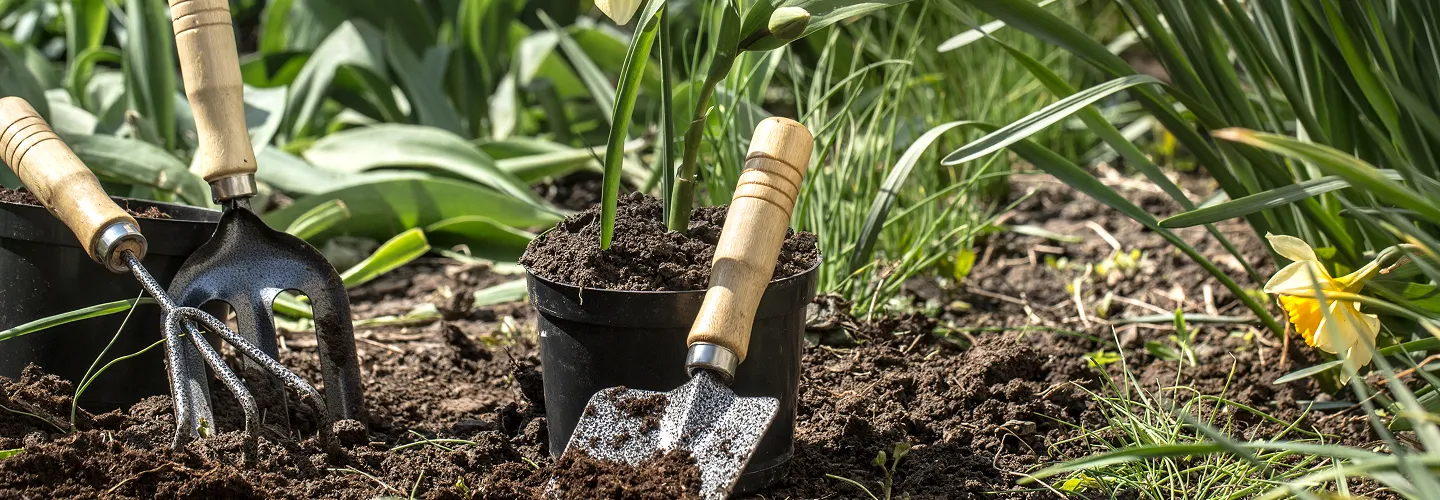
Laveen Village Fertilizing Lawn Services
Choose our expert fertilizing lawn services for lush, healthy grass that thrives year-round—our tailored treatments ensure your yard stands out with vibrant color, resilience, and long-term vitality.
Get a Free QuoteOur Laveen Village Landscaping & Yard Care Services
When to Schedule Fertilizing Lawn in Laveen Village, Arizona – Seasonal Guide
Fertilizing your lawn in Laveen Village requires careful timing to ensure lush, healthy grass throughout the year. Due to our unique Sonoran Desert climate, the best periods for fertilization are typically early spring and late fall, when temperatures are moderate and lawns are actively growing. Neighborhoods near Cesar Chavez Park and along the Salt River corridor often experience microclimates, so it’s important to consider your specific location when planning your fertilization schedule.
Local environmental factors such as the risk of late spring frosts, summer drought conditions, and the prevalence of clay-heavy soils can all impact the effectiveness of your lawn care routine. Areas with dense shade from mature trees, like those found in the Laveen Meadows community, may require different timing and fertilizer blends. For more information on local soil and climate considerations, visit the Sudbury municipal resource.
Local Factors to Consider for Fertilizing Lawn in Laveen Village
- Tree density and shade coverage, especially in established neighborhoods
- Soil composition (clay, sand, or loam) and drainage
- Seasonal precipitation patterns and drought risk
- Proximity to the Salt River and floodplain areas
- Municipal watering restrictions and fertilization guidelines
- Terrain variations, such as slopes or low-lying spots prone to runoff
Benefits of Fertilizing Lawn in Laveen Village
Enhanced Lawn Health
Improved Grass Color
Weed Growth Reduction
Stronger Root Development
Increased Drought Resistance
Thicker, Lusher Turf
Laveen Village Fertilizing Lawn Types

Bermuda Grass Fertilization
-
St. Augustine Grass Fertilization
-
Zoysia Grass Fertilization
-
Fescue Lawn Fertilization
-
Ryegrass Fertilization
-
Buffalo Grass Fertilization
-
Hybrid Lawn Fertilization
Our Fertilizing Lawn Process
Soil Analysis
Fertilizer Selection
Application Scheduling
Even Fertilizer Distribution
Post-Application Inspection
Why Choose Laveen Village Landscape Services
Laveen Village Homeowners Trust Us
-
Comprehensive Lawn Maintenance
-
Reliable Irrigation Solutions
-
Expert Tree and Shrub Care
-
Weed and Pest Control
-
Seasonal Clean-Up Services
-
Competitive Pricing
-
Satisfaction Guarantee
Coordinating Lawn Fertilization Services with Laveen Village's Municipal Programs
Laveen Village operates as a village within the City of Phoenix, meaning all municipal services—including stormwater management, water conservation, and environmental compliance—are administered through Phoenix city departments. Residents and property managers planning lawn fertilization should coordinate with the city's water and environmental programs to ensure nutrient applications align with local water-quality objectives. The Phoenix Water Services Department oversees conservation initiatives that directly affect irrigation scheduling, which must be synchronized with fertilizer applications to prevent nutrient runoff into storm drains and nearby washes. Properties adjacent to drainage corridors or retention basins should take particular care, as fertilizer-laden runoff can enter the municipal separate storm sewer system regulated under Arizona DEQ stormwater programs.
- Coordinate fertilizer application timing with irrigation schedules set by the city's water conservation guidelines
- Avoid applying granular or liquid fertilizer within 24 hours of forecast monsoon rainfall
- Keep fertilizer granules off sidewalks, driveways, and curb inlets to prevent wash contamination
- Report drainage or runoff concerns to the city engineering office for site-specific guidance
Phoenix Office of Environmental Programs
200 W. Washington St., Phoenix, AZ 85003
Official Website: Phoenix Office of Environmental Programs
How Laveen Village's Alkaline Soils and Desert Heat Affect Lawn Fertilization
Laveen Village sits in the low Sonoran Desert within USDA Hardiness Zone 9b–10a, where summer temperatures routinely exceed 110°F and annual rainfall averages roughly seven to eight inches. These conditions create a demanding environment for turfgrass nutrition. Soils throughout the area tend to be highly alkaline, often with pH levels above 8.0, which can lock out micronutrients such as iron, manganese, and zinc even when they are present in the soil profile. Many residential lots in Laveen Village were developed on compacted subdivision fill or native clay loam with caliche layers at varying depths, limiting root penetration and water infiltration. The USDA Web Soil Survey can help property owners identify their specific soil series and plan amendments accordingly.
- High soil alkalinity commonly causes iron chlorosis in bermudagrass and overseeded ryegrass, requiring chelated iron supplements
- Caliche layers restrict root depth and can cause fertilizer to pool above the hardpan, increasing salt concentration
- Intense reflected heat from block walls and concrete hardscape accelerates nutrient volatilization, particularly with urea-based nitrogen sources
- Monsoon storms between July and September can flush surface-applied fertilizer into washes and retention basins if application timing is not carefully managed
Navigating Stormwater and Pesticide Regulations for Lawn Fertilization in Laveen Village
Lawn fertilization in Laveen Village falls under several overlapping regulatory frameworks. The City of Phoenix participates in the Phase II MS4 stormwater program administered by the Arizona Department of Environmental Quality, which requires municipalities to minimize pollutant discharge—including nutrients like nitrogen and phosphorus—into the storm sewer system. Property owners and lawn care operators must ensure that fertilizer does not migrate off-site into streets, storm drains, or natural washes. Commercial applicators who combine fertilization with pest-control products must hold appropriate credentials through the Arizona Department of Agriculture's licensing program, as required under Arizona Revised Statutes Title 3.
- Fertilizer spilled on impervious surfaces must be swept back onto turf, not hosed into gutters
- Phosphorus-containing fertilizers should be used only when a soil test confirms deficiency, as excess phosphorus contributes to downstream water-quality degradation
- Properties near the South Mountain Preserve or Laveen area washes should maintain unfertilized buffer strips to protect natural drainage corridors
- Verify current watering restrictions with the Phoenix Water Services Department before establishing post-application irrigation cycles
Phoenix Water Services Department
200 W. Washington St., Phoenix, AZ 85003
Official Website: Phoenix Water Services Department
Timing and Methods for Fertilizing Lawn in Laveen Village's Low-Desert Climate
Professional lawn fertilization in Laveen Village follows the growth cycles of the region's dominant turfgrass species. Common bermudagrass, the primary warm-season turf throughout the area, enters active growth from late April through September and responds to nitrogen applications during this window. The University of Arizona Cooperative Extension's turfgrass maintenance guide recommends applying nitrogen to bermudagrass at rates appropriate to the specific cultivar, typically split into multiple lighter applications rather than a single heavy dose. Overseeded perennial ryegrass, commonly established in October, requires its own fertilization schedule through the cooler months. The Arizona Department of Water Resources landscaping guidance emphasizes that irrigation must be carefully calibrated after each fertilizer application to water nutrients into the root zone without generating runoff.
- Apply slow-release nitrogen sources during peak summer heat to reduce volatilization and extend nutrient availability
- Schedule fertilizer applications in early morning or late evening to minimize nitrogen loss from surface evaporation
- Water in granular fertilizer with approximately one-quarter inch of irrigation immediately after application
- Conduct soil tests every two to three years to monitor pH, salinity, and micronutrient availability
- Avoid fertilizing bermudagrass after mid-September to allow proper hardening before winter dormancy
- Apply iron sulfate or chelated iron separately to address chlorosis without adding excess nitrogen
Phoenix City Engineer Department
200 W. Washington St., Phoenix, AZ 85003
Official Website: Phoenix City Engineer Department
What Neighborhoods Do We Serve Throughout Laveen Village, AZ?
- Rogers Ranch – This master-planned community features common bermudagrass lawns on compacted subdivision fill, where soil testing and iron supplementation are frequently necessary to maintain turf color in alkaline conditions.
- Laveen Farms – Larger residential lots in this area often retain remnants of agricultural soils, which may carry elevated salt levels requiring careful fertilizer selection and leaching irrigation cycles.
- Dobbins Crossing – Newer subdivision development here means compacted fill soils and limited topsoil depth, making split nitrogen applications and slow-release formulations particularly important for turf establishment.
- Laveen Meadows – Properties in this neighborhood commonly feature overseeded winter ryegrass, requiring a distinct cool-season fertilization schedule coordinated with fall transition timing.
- Sierra Vista Estates – Proximity to South Mountain drainage corridors makes runoff prevention a priority, with unfertilized buffer zones recommended along wash-adjacent lot boundaries.
- Cheatham Farms – HOA-maintained common areas and individual lots in this community benefit from coordinated fertilization schedules that align with shared irrigation infrastructure and stormwater management requirements.