
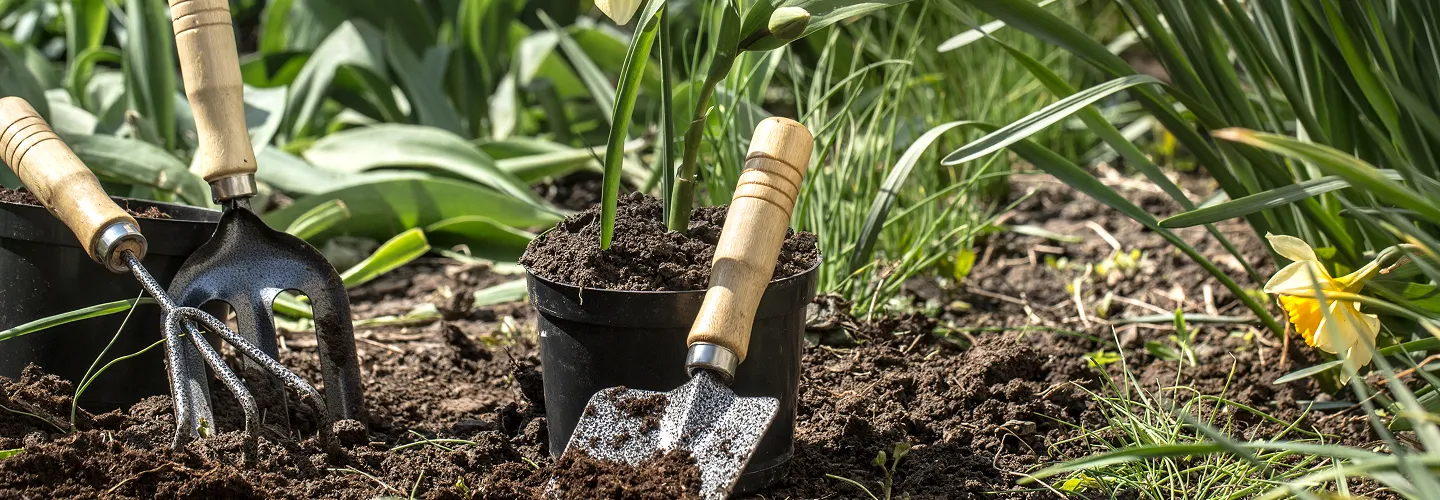
Laveen Village Lawn Renovation Services
Choose our Lawn Renovation services for expert care, premium materials, and a commitment to transforming your yard into a lush, healthy, and beautiful outdoor space you’ll love year-round.
Get a Free QuoteOur Laveen Village Landscaping & Yard Care Services
When to Schedule Lawn Renovation in Laveen Village, Arizona – Seasonal Guide
Timing your lawn renovation in Laveen Village is crucial for achieving a healthy, resilient yard that thrives in our unique desert climate. The best periods for renovation are typically early spring and early fall, when temperatures are moderate and the risk of extreme heat or frost is minimal. In neighborhoods like Estrella Mountain Village and near Cesar Chavez Park, homeowners benefit from scheduling major lawn work after the last frost date—usually in late February or early March—and before the intense summer heat sets in.
Local environmental factors such as drought risk, low humidity, and the prevalence of clay-heavy soils can impact the success of your renovation efforts. Areas with dense shade from mature mesquite or palo verde trees, as well as properties near the Salt River, may require special attention to soil aeration and moisture retention. For more information on local climate patterns and municipal guidelines, visit the official Laveen Village resource.
Local Factors to Consider for Lawn Renovation in Laveen Village
- Tree density and shade coverage from native species
- Soil composition (clay, sand, or loam)
- Seasonal precipitation and irrigation restrictions
- Proximity to landmarks like Cesar Chavez Park or the Salt River
- Terrain slope and drainage patterns
- Neighborhood-specific municipal regulations
Benefits of Lawn Renovation in Laveen Village
Enhanced Curb Appeal
Improved Lawn Health
Increased Property Value
Efficient Water Usage
Weed and Pest Reduction
Customized Landscaping Solutions
Laveen Village Lawn Renovation Types

Sod Installation
-
Hydroseeding
-
Artificial Turf Replacement
-
Soil Aeration and Topdressing
-
Drought-Tolerant Lawn Conversion
-
Weed and Pest Lawn Restoration
-
Overseeding for Lawn Renewal
Our Lawn Renovation Process
Site Evaluation
Soil Preparation
Seeding or Sodding
Watering and Fertilization
Ongoing Maintenance
Why Choose Laveen Village Landscape Services
Laveen Village Homeowners Trust Us
-
Comprehensive Lawn Maintenance
-
Reliable Irrigation Solutions
-
Expert Tree and Shrub Care
-
Weed and Pest Control
-
Seasonal Clean-Up Services
-
Competitive Pricing
-
Satisfaction Guarantee
Coordinating Lawn Renovation Projects with Laveen Village's Municipal Departments
Laveen Village operates as a village planning area within the City of Phoenix, meaning all municipal coordination for lawn renovation projects routes through Phoenix city departments. Property owners undertaking lawn renovation—particularly projects involving grade correction, irrigation system modifications, or soil import—should verify whether site work triggers review through the city's development services process. Projects that alter drainage patterns, affect right-of-way areas, or involve grading near flood-control channels may require coordination with the Phoenix City Engineer Department to confirm compliance with stormwater and drainage standards.
- Confirm whether grading or soil import requires a site-work review through the Phoenix Planning & Development Department
- Coordinate green waste and debris removal from renovation sites through the city's bulk collection procedures
- Verify irrigation modifications align with current water conservation guidelines from the Phoenix Water Services Department
- Review village-specific land use context through the Laveen Village planning committee for properties near washes or open-space corridors
Phoenix Planning & Development Department
200 W. Washington St., Phoenix, AZ 85003
Official Website: Phoenix Planning & Development Department
Phoenix City Engineer Department
200 W. Washington St., Phoenix, AZ 85003
Official Website: Phoenix City Engineer Department
How Laveen Village's Low-Desert Soils and Heat Shape Lawn Renovation
Laveen Village sits in the Phoenix metro low desert within USDA Hardiness Zone 9b–10a, where summer temperatures routinely exceed 110°F and annual rainfall averages under eight inches. These conditions create specific challenges that distinguish lawn renovation here from nearly any other region. Soils across much of Laveen Village tend toward alkaline sandy loam and clay loam, often with caliche layers at varying depths that restrict root penetration and water infiltration. Many newer subdivisions contain compacted fill material imported during development, which further limits drainage and turf establishment.
- Soil alkalinity: pH levels commonly range from 7.5 to 8.5, which can bind iron and other micronutrients, causing chlorosis in turf unless soil amendments are incorporated during renovation
- Caliche obstruction: hardpan caliche layers may need to be fractured or removed to allow adequate root-zone depth for bermudagrass or other warm-season turf
- Salt accumulation: irrigation water delivered through the Salt River Project and municipal systems carries dissolved salts that concentrate in the root zone over time, degrading turf density and requiring leaching cycles during renovation
- Reflected heat: block walls, concrete driveways, and decomposed granite borders radiate heat onto adjacent turf, intensifying stress along edges and requiring targeted irrigation adjustments
The University of Arizona Cooperative Extension provides region-specific guidance on turf species selection and soil correction strategies suited to these low-elevation conditions.
Navigating Stormwater Compliance and Permit Requirements for Laveen Village Renovations
Lawn renovation projects in Laveen Village must account for Phoenix's obligations under the Arizona DEQ Phase II MS4 stormwater program and the federal Clean Water Act. Any renovation that involves soil disturbance, grade changes, or material stockpiling should incorporate erosion and sediment controls to prevent runoff from entering storm drains, washes, or retention basins. Laveen Village contains several flood-control channels and natural washes managed by the Flood Control District of Maricopa County, and properties adjacent to these features face additional scrutiny regarding drainage alteration.
- Sediment, soil amendments, and organic debris must not be allowed to migrate into curb inlets or drainage channels during renovation
- Fertilizers and soil conditioners applied during turf re-establishment must be managed to prevent wash contamination, consistent with ADEQ stormwater guidance
- Properties near designated washes or retention basins should confirm setback and grading requirements with the city before beginning soil correction or re-grading work
- Pesticide applications during renovation require compliance with Arizona Department of Agriculture licensing requirements for commercial applicators
Phoenix Office of Environmental Programs
200 W. Washington St., Phoenix, AZ 85003
Official Website: Phoenix Office of Environmental Programs
Timing and Methods for Lawn Renovation in Laveen Village's Climate
Professional lawn renovation in Laveen Village follows a seasonal framework dictated by bermudagrass growth cycles and extreme heat exposure. The primary renovation window for warm-season turf falls between late March and early June, when soil temperatures consistently exceed 65°F and bermudagrass enters active growth. This window allows adequate time for soil correction, grade repair, and turf recovery before monsoon season begins in mid-June. The University of Arizona Turfgrass Maintenance Guide outlines establishment protocols specific to low-elevation Arizona conditions.
- Irrigation audit: before any turf work begins, existing irrigation systems should be evaluated for coverage uniformity, head spacing, and pressure consistency to prevent dry spots and overwatering zones after renovation
- Soil correction: gypsum applications can address sodium accumulation, while sulfur amendments help lower pH in heavily alkaline soils; both should be incorporated into the top several inches of the root zone
- Compaction repair: core aeration commonly targets roughly 2–3 inches of penetration and should be performed during active bermudagrass growth to allow rapid recovery
- Grade repair: low spots that collect standing water or scalped high points should be corrected with clean fill and leveled before re-sodding or re-seeding
- Overseeding coordination: if winter ryegrass overseeding is planned for the following fall, renovation timing should allow bermudagrass to fully establish through at least one full summer growth cycle
Properties managed under HOA landscape standards should verify turf species and appearance requirements before selecting renovation materials.
What Neighborhoods Do We Serve Throughout Laveen Village, AZ?
- Rogers Ranch: Larger lot sizes with established bermudagrass lawns often require renovation to address compaction and salt buildup from years of irrigation cycling in this mature community.
- Laveen Farms: Properties near agricultural drainage corridors may encounter clay-heavy soils and elevated salinity, making soil correction a critical component of any turf renovation.
- Dobbins Crossing: Newer subdivision fill and compact lot layouts create reflected heat challenges along block walls and hardscape edges that intensify turf stress during summer months.
- Sierra at South Mountain: Proximity to South Mountain Preserve introduces slope and drainage considerations, with some lots requiring grade correction to manage monsoon sheet flow across renovated turf areas.
- Cheatham Farms: Established residential lots with mature landscaping often present shade-to-sun transition zones that require species-appropriate turf selection during renovation.
- Mountain Park Ranch (South): Properties along the southern boundary of this community frequently border retention basins and washes, requiring stormwater-conscious renovation practices.