
Laveen Village Pruning Services
Choose our professional pruning services for healthier trees, improved curb appeal, and peace of mind knowing your landscape is in expert hands.
Get a Free QuoteOur Laveen Village Landscaping & Yard Care Services
When to Schedule Pruning in Laveen Village, Arizona – Seasonal Guide
In Laveen Village, Arizona, the best time to schedule pruning is typically during the late winter to early spring months, before new growth begins. This timing allows trees and shrubs to recover quickly and minimizes the risk of disease or pest infestation. The unique climate of Laveen Village—with its hot, dry summers and mild winters—means that pruning during the cooler months helps avoid heat stress and water loss, which are common concerns in neighborhoods like Estrella and near the South Mountain Park area.
Local environmental factors such as the average last frost date in February, the region’s susceptibility to drought, and the prevalence of clay-heavy soils all play a role in determining the optimal pruning schedule. Properties near the Laveen Village Marketplace or along the Salt River corridor may also experience varying shade coverage and humidity levels, which can affect plant health and growth patterns. For more detailed information on local climate considerations, visit the Sudbury, MA municipal resource.
Local Factors to Consider for Pruning in Laveen Village
- Tree and shrub density on your property
- Terrain variations, especially near South Mountain slopes
- Annual precipitation and irrigation schedules
- Municipal restrictions or HOA guidelines
- Soil type (e.g., clay, sandy, or loamy)
- Risk of late frost or unexpected cold snaps
- Shade coverage from nearby structures or mature trees
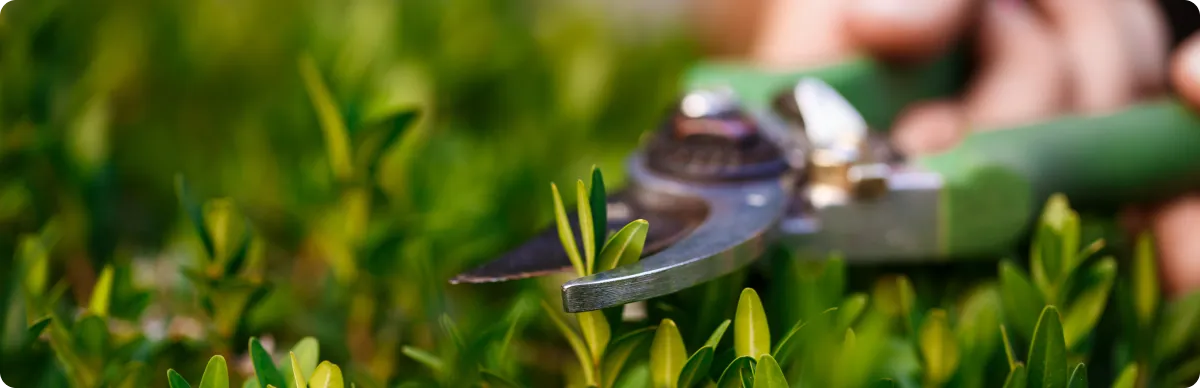
Benefits of Pruning in Laveen Village
Enhanced Plant Health
Improved Curb Appeal
Increased Sunlight Exposure
Pest and Disease Prevention
Promotes New Growth
Professional Landscaping Expertise
Laveen Village Pruning Types

Crown Thinning
-
Crown Raising
-
Crown Reduction
-
Deadwooding
-
Formative Pruning
-
Pollarding
-
Shearing
Our Pruning Process
Site Evaluation
Plant Selection
Targeted Pruning
Debris Removal
Final Inspection
Why Choose Laveen Village Landscape Services
Laveen Village Homeowners Trust Us
-
Comprehensive Lawn Maintenance
-
Reliable Irrigation Solutions
-
Expert Tree and Shrub Care
-
Weed and Pest Control
-
Seasonal Clean-Up Services
-
Competitive Pricing
-
Satisfaction Guarantee
Coordinating Pruning Services with Laveen Village's Municipal Programs and Departments
Laveen Village operates as a village planning area within the City of Phoenix, meaning all municipal coordination for pruning activities falls under Phoenix city departments. Property owners and managers should be aware that pruning debris generated on residential and commercial properties must be handled in accordance with the city's green waste and bulk collection procedures. The Phoenix Public Works Department oversees solid waste management, including the collection and disposal of organic brush and trimmings. When pruning involves trees or shrubs adjacent to public rights-of-way, sidewalks, or drainage corridors, coordination with the city engineer's office may be necessary to ensure clearance standards are maintained.
- Verify current bulk pickup schedules and green waste bundling requirements through Phoenix Public Works before placing pruning debris curbside
- Confirm whether pruning near public sidewalks or roadways requires notification to the Phoenix City Engineer Department
- Properties adjacent to washes or flood-control channels should ensure pruning debris does not enter drainage infrastructure
Phoenix Public Works Department
200 W. Washington Street, Phoenix, AZ 85003
Official Website: Phoenix Public Works Department
For questions related to village-level land use or development standards that may affect landscape maintenance on commercial or multifamily parcels, the Phoenix Laveen Village Planning office provides community-specific planning resources.
How Laveen Village's Low-Desert Heat and Soils Affect Pruning Practices
Laveen Village sits within the Phoenix metro low desert, classified under USDA Plant Hardiness Zone 9b to 10a, where summer temperatures routinely exceed 110°F and annual rainfall averages under eight inches. These conditions directly shape how and when pruning should be performed on residential and commercial landscapes. The predominant soils in the Laveen area tend toward alkaline sandy loam and clay loam, often underlain by caliche hardpan, which restricts root development and makes trees more susceptible to structural weakness if improperly pruned.
- Extreme heat exposure: Fresh pruning wounds on trees such as palo verde, mesquite, and citrus are vulnerable to sunscald when cuts are made during peak summer months, potentially causing bark death and secondary pest entry
- Monsoon wind loading: The July through September monsoon season brings sudden high winds that can turn unpruned deadwood and crossing branches into hazards for structures, vehicles, and power lines
- Alkaline soil stress: Trees growing in highly alkaline soils may exhibit iron chlorosis and weakened branch structure, requiring careful assessment before structural pruning
- Irrigation dependence: Nearly all landscape vegetation in Laveen Village relies on supplemental irrigation, and pruning that removes excessive canopy can increase water demand on remaining foliage by exposing root zones to direct solar radiation
Navigating Laveen Village's Regulatory Requirements for Tree and Shrub Pruning
Property owners in Laveen Village should understand that while routine pruning of privately owned trees and shrubs on private property does not typically require a city permit, certain situations may trigger review. Pruning that affects sight-triangle visibility at intersections, encroaches into public rights-of-way, or involves trees on properties subject to specific zoning stipulations or development conditions may require coordination with the Phoenix Planning & Development Department. Properties within planned unit developments or those with landscape easements should verify any deed-restricted pruning limitations before proceeding.
- Stormwater compliance under Arizona DEQ's MS4 program requires that pruning debris not be allowed to enter storm drains, washes, or retention basins
- The Arizona Department of Forestry and Fire Management administers urban forestry programs that encourage proper pruning standards in participating communities
- Qualified tree care professionals can be located through the Arizona Community Tree Council, which maintains a directory of credentialed practitioners
Phoenix Planning & Development Department
200 W. Washington Street, Phoenix, AZ 85003
Official Website: Phoenix Planning & Development Department
Commercial properties and HOA-managed common areas should confirm whether their approved landscape plans include species-specific pruning standards or canopy coverage requirements that must be maintained.
Timing Pruning Around Laveen Village's Monsoon Season and Desert Growth Cycles
Professional pruning in the low desert follows species-specific timing windows that account for growth cycles, heat stress, and storm exposure. Deciduous desert trees such as mesquite and palo verde are generally best pruned during late winter dormancy, from December through February, when reduced sap flow minimizes stress and allows wound closure before the intense heat of late spring. Citrus pruning is typically performed after the last frost risk has passed and before summer heat intensifies, generally in March or April. Evergreen shrubs such as oleander, Texas sage, and Arizona rosewood can be shaped after their primary bloom cycles.
- Pre-monsoon deadwood removal: Completing structural pruning and deadwood removal before July reduces the risk of branch failure during high-wind events
- Avoid heavy pruning in peak summer: Removing more than 20–25 percent of a tree's canopy during June through August exposes bark and root zones to extreme solar radiation
- Sanitation pruning: Removing diseased or pest-infested wood should be performed promptly regardless of season, with tools sanitized between cuts to prevent pathogen spread
- Post-monsoon assessment: Following significant storm events, damaged branches should be evaluated and removed using proper pruning cuts rather than flush cuts or topping
Phoenix Office of Environmental Programs
200 W. Washington Street, Phoenix, AZ 85003
Official Website: Phoenix Office of Environmental Programs
What Neighborhoods Do We Serve Throughout Laveen Village, AZ?
- Rogers Ranch: Established subdivision with mature mesquite and palo verde trees that benefit from regular structural pruning and pre-monsoon deadwood assessment on larger residential lots
- Laveen Farms: Properties in this area often feature older irrigated lots with citrus and shade trees requiring species-specific pruning schedules and careful canopy management
- Copper Creek: Newer subdivision development with younger landscape plantings that need formative structural pruning to establish strong branch architecture early in the tree's life
- Dobbins Crossing: Homes near wash corridors and retention areas where pruning debris management and drainage clearance are particularly important during monsoon season
- Sierra at South Mountain: Properties adjacent to South Mountain Preserve with desert-adapted plantings that require pruning practices sensitive to native vegetation and preserve adjacency
- Cheatham Farms: Community with HOA-maintained common areas where pruning standards may be governed by approved landscape plans and architectural review guidelines