
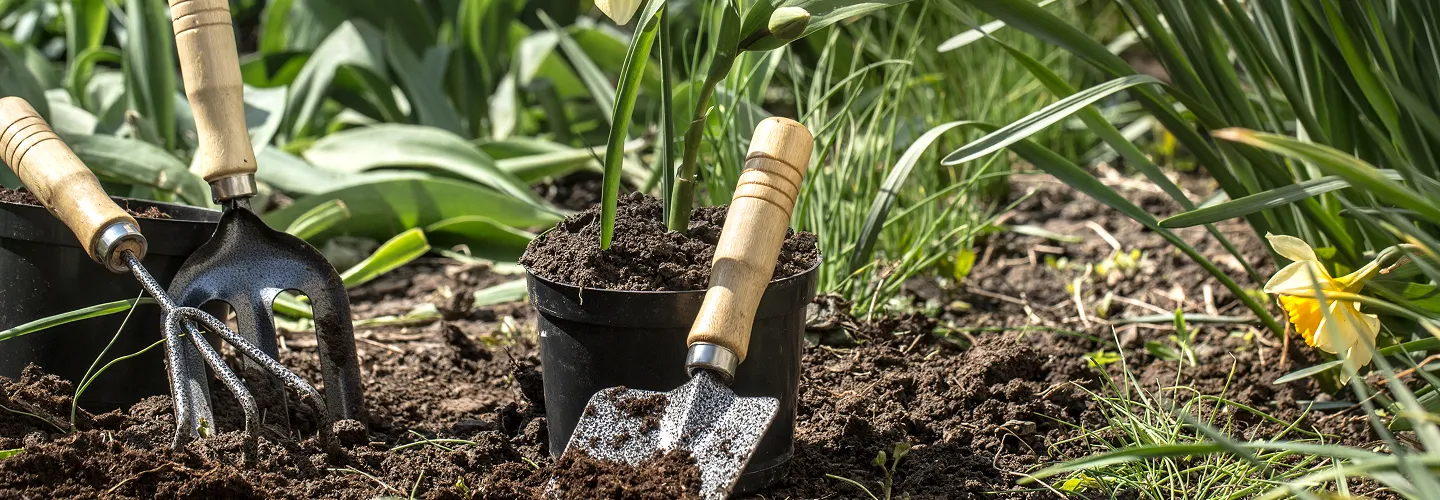
Laveen Village Weeding Services
Choose our expert weeding services for a healthier, more vibrant landscape—our experienced team ensures your garden stays pristine, saving you time and effort while protecting your plants from invasive weeds.
Get a Free QuoteOur Laveen Village Landscaping & Yard Care Services
When to Schedule Weeding in Laveen Village, Arizona – Seasonal Guide
In Laveen Village, Arizona, the timing of weeding is crucial for maintaining healthy, attractive landscapes throughout the year. The area’s unique climate—marked by hot, dry summers and mild winters—means that weed growth patterns differ from other regions. For neighborhoods near Cesar Chavez Park or along the Salt River, early spring and late fall are typically the best times to schedule weeding. This is when soil moisture is higher from winter rains, and temperatures are moderate, making weed removal more effective and less stressful on your landscape.
Local environmental factors play a significant role in determining the optimal weeding schedule. For example, the risk of frost usually ends by mid-February, allowing for early spring maintenance. Areas with dense shade from mature mesquite or palo verde trees, such as those found in the Laveen Meadows community, may require more frequent attention due to increased humidity and slower soil drying. Additionally, the region’s clay-heavy soils can retain moisture, encouraging weed growth after monsoon rains. For more information on local environmental guidelines, visit the Sudbury municipal site.
Local Factors to Consider for Weeding in Laveen Village
- Tree density and shade coverage (e.g., mature trees in Laveen Ranch)
- Soil type and drainage (clay soils common in the area)
- Seasonal precipitation, especially during monsoon months
- Proximity to irrigation ditches or the Salt River
- Municipal restrictions or HOA guidelines on herbicide use
- Terrain variations, such as sloped yards or rocky areas
Benefits of Weeding in Laveen Village

Enhanced Curb Appeal
Healthier Plant Growth
Reduced Pest Infestation
Improved Soil Quality
Professional and Reliable Service
Time and Effort Savings

Laveen Village Weeding Types

Hand Weeding
-
Mechanical Weeding
-
Chemical Weed Control
-
Mulching for Weed Prevention
-
Flame Weeding
-
Organic Weed Management
-
Pre-Emergent Weed Control
Our Weeding Process
Site Evaluation
Weed Identification
Targeted Removal
Soil Treatment
Final Inspection
Why Choose Laveen Village Landscape Services
Laveen Village Homeowners Trust Us
-
Comprehensive Lawn Maintenance
-
Reliable Irrigation Solutions
-
Expert Tree and Shrub Care
-
Weed and Pest Control
-
Seasonal Clean-Up Services
-
Competitive Pricing
-
Satisfaction Guarantee
Coordinating Weeding Services With City of Phoenix Programs in Laveen Village
Laveen Village operates as a village planning area within the City of Phoenix, meaning all municipal code enforcement, green waste collection, and stormwater compliance fall under Phoenix city departments. Property owners and managers should be aware that the City of Phoenix enforces property maintenance standards that include weed abatement on residential and commercial parcels. Overgrown weeds—particularly on vacant lots or neglected frontages—can trigger code violations and municipal notices. The Phoenix Public Works Department oversees green waste collection, and pulled weeds should be bundled or containerized according to current curbside pickup guidelines. Residents should verify accepted materials and collection schedules directly with Public Works, as requirements may change seasonally.
- Weed debris from hand-pulling or mechanical removal must be kept out of streets, curb inlets, and drainage channels
- Vacant lot owners in Laveen Village are subject to the same weed abatement enforcement as improved parcels
- Green waste placed curbside should follow current City of Phoenix bundling and container specifications
- Property managers overseeing multiple parcels should coordinate bulk disposal through verified city procedures
Phoenix Public Works Department
200 W. Washington St., Phoenix, AZ 85003
Official Website: Phoenix Public Works Department
How Laveen Village's Desert Soils and Monsoon Cycles Intensify Weed Pressure
Laveen Village sits in the low Sonoran Desert within USDA Hardiness Zone 9b–10a, where alkaline, calcium-carbonate-rich soils and intense summer heat create a distinctive weed environment. The area's soils frequently contain caliche layers and compacted subdivision fill, which limit water infiltration and concentrate moisture near the surface—conditions that favor shallow-rooted annual weeds. Drip irrigation systems, common throughout Laveen Village landscapes, create localized wet zones around emitters where weeds germinate aggressively year-round. The USDA Web Soil Survey confirms that many Laveen Village parcels feature alkaline sandy loam and clay loam profiles that retain surface moisture after irrigation or rainfall.
- Summer monsoon storms between July and September trigger rapid flushes of warm-season weeds such as spurge, puncturevine, and carpetweed
- Winter rains from November through February promote cool-season species including London rocket, filaree, and Mediterranean grass
- Reflected heat from block walls, concrete, and decomposed granite surfaces accelerates weed seed germination along hardscape edges
- Salt accumulation from municipal or well water raises soil pH further, stressing desirable plantings while many weed species tolerate high salinity
Navigating Herbicide Licensing and Stormwater Rules for Weeding in Laveen Village
Any person or company applying herbicides commercially in Laveen Village must hold appropriate certification through the Arizona Department of Agriculture. Arizona Revised Statutes Title 3 governs pesticide use, applicator licensing, and recordkeeping requirements statewide. Property owners applying herbicides on their own residential property are generally exempt from commercial licensing, but must still follow all product label directions—a federal requirement under FIFRA.
Stormwater compliance is a critical consideration. Laveen Village falls within the City of Phoenix's Phase II MS4 permit area, regulated under the Arizona DEQ stormwater program. Herbicide runoff into washes, retention basins, or storm drains constitutes a potential discharge violation under the Clean Water Act.
- Pre-emergent granular herbicides should not be applied immediately before expected monsoon rainfall to prevent wash contamination
- Liquid post-emergent applications require drift control measures, especially near the Salt River channel and local flood-control corridors
- The Arizona Department of Agriculture's noxious weed list identifies regulated species that may require specific control methods
- All herbicide containers and rinse water must be disposed of according to label instructions—never into storm drains or washes
Phoenix Office of Environmental Programs
200 W. Washington St., Phoenix, AZ 85003
Official Website: Phoenix Office of Environmental Programs
Timing Weeding Around Laveen Village's Heat Extremes and Seasonal Growth Cycles
Professional weeding in Laveen Village follows two primary seasonal windows aligned with the area's bimodal rainfall pattern. The first critical period occurs in late winter through early spring (February–April), when cool-season weeds reach peak biomass and should be removed before they set seed. The second window falls immediately after the first significant monsoon rains in July and August, when warm-season annuals germinate rapidly and must be addressed within days of emergence for effective control.
- Hand-pulling is most effective when soil is moist—typically within 24–48 hours after irrigation or rainfall—allowing complete root extraction
- Pre-emergent herbicides for cool-season weeds should be applied in October before soil temperatures drop below approximately 70°F at a two-inch depth
- Pre-emergent applications targeting summer annuals are generally timed for late February to early March in the low desert
- Mechanical cultivation or hoeing in decorative rock beds should avoid disturbing weed barrier fabric beneath the surface
- Weeding around drip emitters requires care to avoid damaging irrigation lines; hand removal is preferred over chemical application in these zones
Phoenix Water Services Department
200 W. Washington St., Phoenix, AZ 85003
Official Website: Phoenix Water Services Department
Irrigation scheduling directly affects weed pressure. The Arizona Department of Water Resources recommends efficient watering practices that minimize overspray and surface pooling—both of which promote weed germination in landscape beds and along hardscape borders.
What Neighborhoods Do We Serve Throughout Laveen Village, AZ?
- Laveen Farms — Larger agricultural-heritage lots with open soil areas and irrigation infrastructure that create persistent weed pressure along fence lines and ditches
- Rogers Ranch — Newer subdivision with compacted fill soils and decorative rock yards where weeds concentrate around drip emitters and along block wall edges
- Dobbins Crossing — Properties adjacent to flood-control channels require careful weed management to prevent organic debris from entering drainage infrastructure
- Cheatham Farms — Established residential community with mature landscaping where shade-tolerant weeds colonize beneath tree canopies and in mulched beds
- Laveen Meadows — Mixed lot sizes with both turf and xeriscape areas that demand different weeding approaches for each irrigation zone
- Sierra Vista Estates — Parcels near South Mountain preserve edges where native desert transitions create weed encroachment from undeveloped adjacent land