
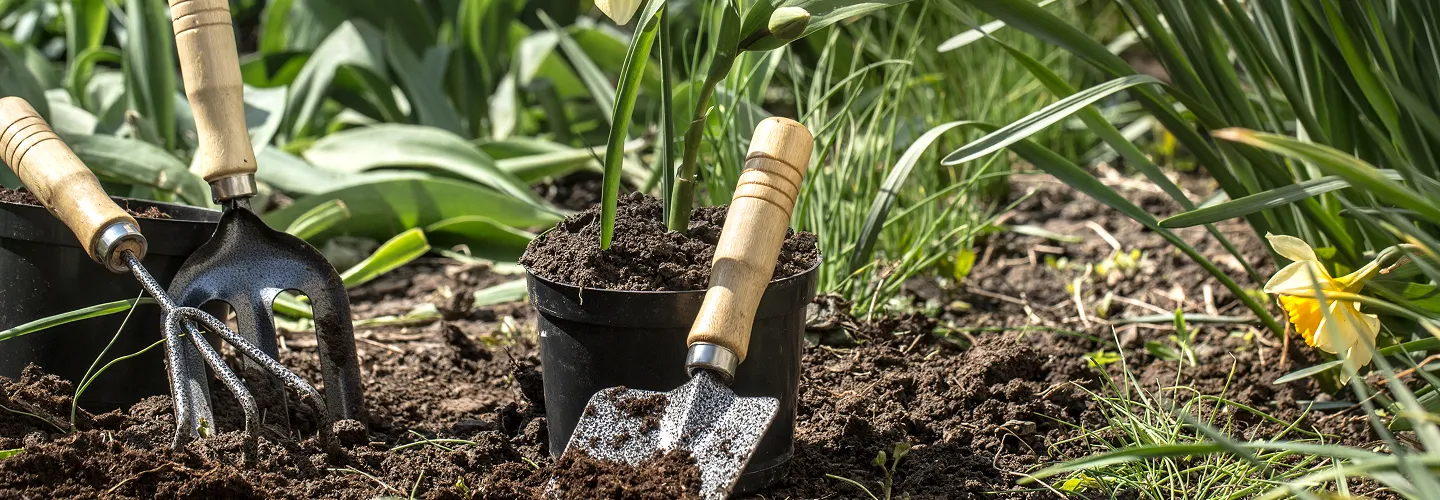
Laveen Village Artificial Grass Installation Services
Choose our Artificial Grass Installation for a beautiful, maintenance-free lawn that saves water, looks great year-round, and adds value to your home—enjoy more time relaxing and less time working on your yard.
Get a Free QuoteOur Laveen Village Landscaping & Yard Care Services
When to Schedule Artificial Grass Installation in Laveen Village, Arizona – Seasonal Guide
Choosing the right time for artificial grass installation in Laveen Village, Arizona, can make a significant difference in the longevity and appearance of your new lawn. The region’s unique climate—marked by hot, dry summers and mild winters—means that late fall through early spring is generally the most favorable window for installation. During these months, temperatures are cooler, reducing stress on both the installation crew and the materials, and allowing for optimal settling of the turf.
Local neighborhoods such as Estrella Mountain Ranch and the areas surrounding Cesar Chavez Park often experience microclimates influenced by shade from mature trees, varying soil types, and proximity to the Salt River. Homeowners should consider factors like the last frost date, which typically occurs in late January, and the risk of drought conditions that can impact soil preparation. For more information on local environmental guidelines, visit the official municipal resource.
Local Factors to Consider for Artificial Grass Installation in Laveen Village
- Tree density and shade coverage, especially in established neighborhoods
- Soil composition and drainage, which can vary near the river or in newer developments
- Seasonal precipitation patterns and monsoon timing
- Municipal water use restrictions and landscaping ordinances
- Terrain slope and accessibility for installation equipment
Benefits of Artificial Grass Installation in Laveen Village
Low Maintenance Landscaping
Year-Round Green Lawns
Water Conservation Solutions
Pet-Friendly Surfaces
Allergy-Free Outdoor Spaces
Long-Lasting Durability
Laveen Village Artificial Grass Installation Types

Pet-Friendly Artificial Turf
Designed for durability and easy cleaning, perfect for homes with pets.
-
Playground Synthetic Grass
Safe, cushioned surfaces ideal for children's play areas and schools.
-
Residential Lawn Turf
Lush, natural-looking grass for front and backyards with minimal maintenance.
-
Commercial Landscape Turf
Attractive, low-maintenance solutions for business properties and public spaces.
-
Putting Green Installation
Custom-designed artificial grass putting greens for golf enthusiasts.
-
Sports Field Turf
Durable synthetic grass engineered for athletic fields and recreational areas.
-
Rooftop & Patio Turf
Transform rooftops and patios into green, usable spaces with artificial grass.
Our Artificial Grass Installation Process
Site Evaluation
Ground Preparation
Base Installation
Laying Artificial Grass
Finishing and Inspection
Why Choose Laveen Village Landscape Services
Laveen Village Homeowners Trust Us
-
Comprehensive Lawn Maintenance
-
Reliable Irrigation Solutions
-
Expert Tree and Shrub Care
-
Weed and Pest Control
-
Seasonal Clean-Up Services
-
Competitive Pricing
-
Satisfaction Guarantee
Coordinating Artificial Grass Installation with Laveen Village's Municipal Planning Framework
Laveen Village operates as a village planning area within the City of Phoenix, meaning all development review, permitting, and land-use compliance fall under Phoenix municipal departments. Property owners considering artificial grass installation should coordinate with the appropriate city offices before beginning subgrade excavation or site modification, particularly on properties adjacent to drainage corridors, retention basins, or public rights-of-way. The Phoenix Laveen Village Planning office provides community-level land use guidance and zoning information specific to the Laveen area. For projects that involve grading changes, frontage modifications, or work near flood-control infrastructure, the city's engineering division may require review to confirm that stormwater flow patterns are not adversely altered.
- Verify whether your HOA imposes landscape material restrictions before purchasing synthetic turf products
- Confirm that any proposed grading changes do not redirect runoff toward neighboring parcels or public drainage infrastructure
- Coordinate debris removal and old turf disposal through the city's bulk collection or approved hauling procedures
Phoenix Planning & Development Department
200 W Washington St, Phoenix, AZ 85003
Official Website: Phoenix Planning & Development Department
How Laveen Village's Desert Soils and Heat Affect Artificial Grass Installation
Laveen Village sits in the low Sonoran Desert within USDA Hardiness Zone 9b–10a, where summer surface temperatures on exposed ground can exceed 150°F. These conditions directly influence every phase of artificial grass installation. The native soil profile in much of Laveen consists of alkaline sandy loam and clay loam, often underlain by caliche hardpan at variable depths. Caliche layers resist drainage and must be broken through or accommodated during subgrade preparation to prevent water pooling beneath the synthetic surface. Monsoon storms between July and September deliver intense, short-duration rainfall that generates rapid sheet flow across compacted or impervious surfaces. Without adequate base drainage design, artificial turf installations in Laveen Village can trap standing water, promote odor, and contribute sediment-laden runoff to nearby washes and retention basins. The USDA Web Soil Survey provides parcel-level soil data that can help identify caliche depth and infiltration limitations before installation begins.
- Caliche hardpan may require mechanical breaking to establish adequate drainage beneath the turf base
- Alkaline soil conditions can accelerate degradite of certain infill materials if moisture is retained
- Reflected heat from block walls and concrete hardscape intensifies surface temperatures on synthetic turf
- Monsoon runoff must be directed away from the installation area through proper grading and perimeter drainage
Navigating Laveen Village's Permit and Stormwater Compliance for Artificial Grass Projects
Artificial grass installation in Laveen Village is subject to the City of Phoenix's development and stormwater regulations. While standalone residential turf replacement on private property may not always trigger a building permit, projects that involve significant grading, retaining walls, or modifications to drainage infrastructure should be reviewed through the Phoenix Construction Permits & Planning office. Property owners should verify current requirements with the permitting office before beginning work, as thresholds may vary depending on project scope and location. Phoenix operates under the Arizona DEQ Phase II MS4 stormwater program, which requires that construction activities prevent pollutant discharge into the municipal storm sewer system. Installers must ensure that excavated soil, base aggregate, and infill materials do not migrate into street gutters, curb inlets, or adjacent washes during and after installation. The Arizona Department of Water Resources recognizes synthetic turf as a water-conserving landscape option, though local HOA covenants and city frontage standards may impose additional appearance requirements.
Phoenix City Engineer Department
200 W Washington St, Phoenix, AZ 85003
Official Website: Phoenix City Engineer Department
Timing and Technical Standards for Artificial Grass Installation in Laveen Village
Professional artificial grass installation in Laveen Village requires careful sequencing to account for extreme heat and monsoon exposure. Subgrade preparation is the most critical phase: the existing vegetation and organic material must be fully removed, the soil excavated to an appropriate depth, and a compacted aggregate base installed to provide both structural support and drainage. Weed barrier fabric is placed beneath the base layer to suppress growth from below. Edge restraint systems—typically aluminum or composite bender board—must be secured to prevent lateral shifting as the turf expands and contracts with temperature fluctuations.
- Schedule base compaction and turf laying during cooler morning hours from October through April to reduce heat-related material handling challenges
- Avoid beginning installation during active monsoon periods when sudden rainfall can wash out unfinished base layers
- Use drainage-rated aggregate base material rather than fine decomposed granite, which can compact into an impervious layer
- Seam adhesive and infill application should occur when ambient temperatures allow proper curing and even distribution
- Confirm that the finished grade directs surface water toward designated drainage points rather than pooling on the turf
Phoenix Office of Environmental Programs
200 W Washington St, Phoenix, AZ 85003
Official Website: Phoenix Office of Environmental Programs
What Neighborhoods Do We Serve Throughout Laveen Village, AZ?
- Rogers Ranch — This master-planned community features HOA-governed front yards where artificial grass installations must typically meet specific appearance and material standards set by the association.
- Laveen Farms — Properties in this area often sit on larger agricultural-legacy lots with variable soil compaction and older irrigation infrastructure that must be properly capped or removed before turf installation.
- Dobbins Crossing — Newer subdivision fill soils in Dobbins Crossing may settle unevenly, requiring thorough subgrade compaction and grade verification prior to base layer placement.
- Cheatham Farms — Proximity to local drainage corridors means installers must account for monsoon sheet flow and ensure perimeter drainage directs runoff away from the synthetic surface.
- Mountain Park Ranch (South Laveen) — Lots adjacent to South Mountain Preserve may have sloped terrain and rocky native soils that require additional excavation and base preparation for stable artificial turf installation.