
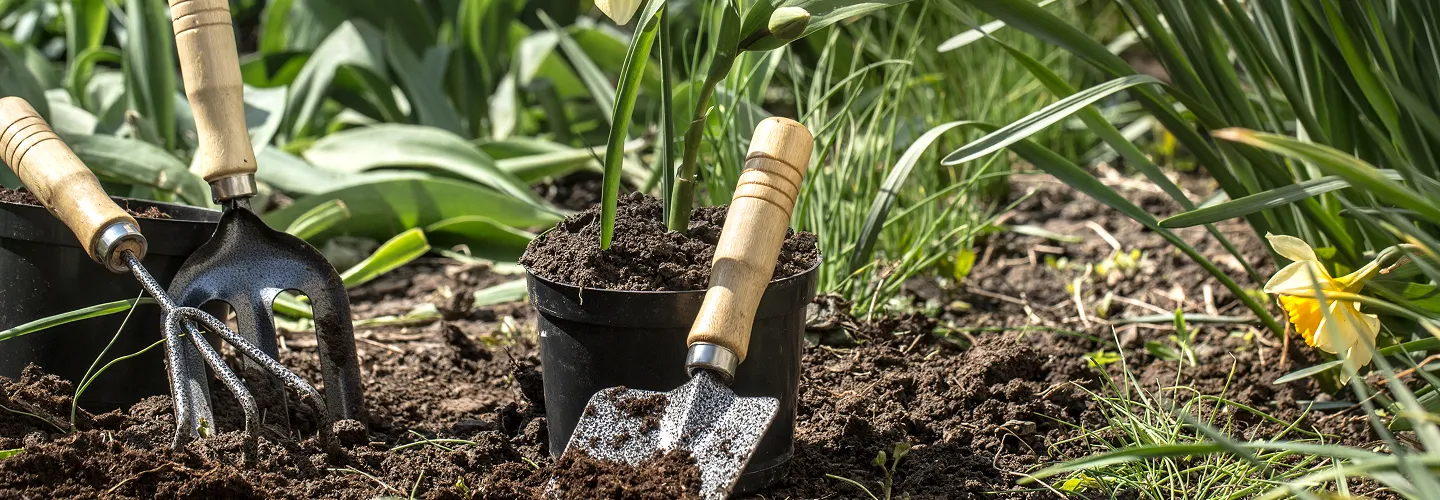
Laveen Village Lawn Edging Services
Choose our Lawn Edging for precise, professional borders that boost curb appeal and make yard maintenance effortless—experience the difference of expert craftsmanship and attention to detail.
Get a Free QuoteOur Laveen Village Landscaping & Yard Care Services
When to Schedule Lawn Edging in Laveen Village, Arizona – Seasonal Guide
In Laveen Village, Arizona, the best times to schedule lawn edging are typically in early spring and late fall. These periods align with the region’s mild temperatures and reduced risk of extreme heat, making it easier to achieve crisp, clean edges without stressing your turf. The unique climate of Laveen Village—characterized by hot, dry summers and mild winters—means that timing your lawn care is crucial for maintaining healthy, attractive landscapes. Neighborhoods near Cesar Chavez Park and along the Salt River corridor often experience microclimates, with varying shade coverage and soil types that can influence the ideal edging schedule.
Local environmental factors such as the area’s average last frost date in early February, the potential for summer drought, and the prevalence of clay-heavy soils all play a role in determining when to edge your lawn. Homeowners in communities like Cottonfields and Laveen Meadows should also consider municipal watering restrictions and the impact of monsoon season rainfall. For more information on local landscaping guidelines, visit the official resource.
Local Factors to Consider for Lawn Edging in Laveen Village
- Tree density and shade coverage, especially in established neighborhoods
- Soil composition (clay vs. sandy soils)
- Seasonal precipitation and monsoon patterns
- Municipal watering schedules and restrictions
- Terrain and slope of your property
- Proximity to landmarks like Cesar Chavez Park or the Salt River
- Risk of frost or extreme heat events
Benefits of Lawn Edging in Laveen Village

Enhanced Curb Appeal
Weed Growth Prevention
Defined Landscape Borders
Low Maintenance Solutions
Increased Property Value
Professional Installation Expertise

Laveen Village Lawn Edging Types

Concrete Curb Edging
-
Brick Lawn Edging
-
Metal Landscape Edging
-
Plastic Lawn Edging
-
Natural Stone Edging
-
Wood Landscape Borders
-
Rubber Lawn Edging
Our Lawn Edging Process
Site Evaluation
Marking Edges
Cutting the Edge
Debris Removal
Final Inspection
Why Choose Laveen Village Landscape Services
Laveen Village Homeowners Trust Us
-
Comprehensive Lawn Maintenance
-
Reliable Irrigation Solutions
-
Expert Tree and Shrub Care
-
Weed and Pest Control
-
Seasonal Clean-Up Services
-
Competitive Pricing
-
Satisfaction Guarantee
Coordinating Lawn Edging Services with Laveen Village's Municipal Infrastructure Programs
Laveen Village operates as a village planning area within the City of Phoenix, meaning all municipal services—including right-of-way maintenance, stormwater management, and code compliance—fall under Phoenix city departments. Lawn edging along sidewalks, curb lines, and public-facing frontages must account for the city's expectations for debris control and drainage protection. Grass clippings, soil fragments, and organic matter generated during edging should never be swept or blown into street gutters, curb inlets, or storm drains, as these feed directly into the municipal separate storm sewer system. Residents and property managers should coordinate with the appropriate city departments when edging work occurs near public rights-of-way or adjacent to engineered drainage infrastructure.
- Contain all edging debris on the property and dispose of it through the city's green waste collection program
- Verify current curbside green waste pickup schedules through the Phoenix Public Works Department
- Avoid depositing soil or clippings into any curb inlet, retention basin, or wash channel
Phoenix Public Works Department
200 W. Washington St., Phoenix, AZ 85003
Official Website: Phoenix Public Works Department
Phoenix City Engineer Department
200 W. Washington St., Phoenix, AZ 85003
Official Website: Phoenix City Engineer Department
How Laveen Village's Low-Desert Heat and Alkaline Soils Affect Lawn Edging
Laveen Village sits in the Phoenix metro low desert within USDA Hardiness Zone 9b–10a, where summer temperatures routinely exceed 110°F and soils are predominantly alkaline with caliche layers common at varying depths. These conditions directly influence lawn edging outcomes. Bermudagrass—the dominant warm-season turf in Laveen Village—grows aggressively during summer and sends stolons rapidly across hardscape borders, requiring frequent edge maintenance to prevent encroachment onto sidewalks, driveways, and decorative rock areas. The alkaline, calcium-carbonate-rich soils can be extremely hard when dry, making mechanical edging difficult without adequate soil moisture. Reflected heat from block walls, concrete walkways, and pavement intensifies turf stress along edges, often causing the outermost turf to thin or brown faster than interior lawn areas.
- Bermudagrass stolons can cross hardscape boundaries within days during peak summer growth
- Caliche and compacted subdivision fill resist blade penetration when soil moisture is low
- Irrigation overspray along edges contributes to mineral salt deposits on adjacent hardscape
- Monsoon runoff can erode unprotected turf edges, especially where lots slope toward washes or retention basins
The University of Arizona Cooperative Extension provides region-specific guidance on bermudagrass management that applies directly to edge maintenance timing and turf vigor in low-elevation Arizona communities.
Navigating Laveen Village's Stormwater and Property Maintenance Compliance for Lawn Edging
Lawn edging in Laveen Village must comply with the City of Phoenix's property maintenance standards and stormwater protection requirements. The city enforces nuisance vegetation and property upkeep codes that can result in code violations when turf encroaches onto sidewalks, obstructs curb lines, or creates tripping hazards along public walkways. Edging debris—including soil, grass clippings, and root fragments—is considered a potential stormwater pollutant under the Arizona DEQ Phase II MS4 program and the federal Clean Water Act. Property owners and landscape contractors are responsible for preventing this material from entering the storm drain system.
- Turf overgrowth onto public sidewalks may trigger code enforcement action through the Phoenix Planning & Development Department
- Edging along flood-control channels or engineered washes requires awareness of drainage easement boundaries
- Commercial landscape operators should verify that their practices align with ADEQ stormwater best management practices
Phoenix Planning & Development Department
200 W. Washington St., Phoenix, AZ 85003
Official Website: Phoenix Planning & Development Department
Timing and Methods for Professional Lawn Edging in Laveen Village's Climate
Professional lawn edging in Laveen Village follows the growth cycle of bermudagrass and, where applicable, overseeded winter ryegrass. During the active bermudagrass season from April through October, edging is typically performed every one to two weeks to keep pace with aggressive lateral growth. During winter, properties overseeded with perennial ryegrass require continued edging at a reduced frequency, generally every two to three weeks. The Turfgrass Maintenance Guide for Low Elevation Arizona provides detailed seasonal management timelines applicable to Laveen Village properties.
- Mechanical rotary edgers and steel-blade stick edgers are standard tools for creating clean vertical cuts along hardscape
- Edge depth typically ranges from 1.5 to 2.5 inches, sufficient to sever bermudagrass stolons without damaging irrigation lines
- Edging should be performed after irrigation to soften alkaline soils and reduce blade wear
- String trimmers used for edge detailing should be operated carefully near drip lines, valve boxes, and pop-up sprinkler heads
- All clippings and soil displaced during edging should be collected and kept out of street gutters and storm drains
- Early morning edging during summer months reduces heat exposure for workers and minimizes turf stress from open cuts during peak temperatures
Properties adjacent to washes, retention basins, or flood-control channels should maintain stable turf edges to prevent erosion during monsoon events. Where turf borders decomposed granite or desert landscaping, a physical edge restraint such as steel or aluminum bender board helps maintain a clean separation and reduces maintenance frequency.
What Neighborhoods Do We Serve Throughout Laveen Village, AZ?
- Rogers Ranch — Newer subdivision lots with bermudagrass front yards bordered by concrete sidewalks and block walls, requiring frequent edging to manage stolon encroachment along hardscape
- Laveen Farms — Larger residential parcels with established turf areas and irrigation systems where edging along driveways and property boundaries addresses aggressive bermudagrass spread
- Dobbins Crossing — Master-planned community with HOA-maintained common areas and individual lot frontages where consistent edge maintenance supports neighborhood appearance standards
- Sierra Vista Estates — Properties near South Mountain with sloped lots where turf edges along walkways and retaining walls require attention to runoff control during monsoon season
- Cheatham Farms — Established neighborhood with mature landscaping and mixed hardscape borders where regular edging prevents turf from overtaking decorative rock and planting beds
- Laveen Meadows — Residential area with standard subdivision lot sizes where curb-adjacent turf edges demand routine maintenance to prevent sidewalk encroachment and debris accumulation